Associate Buyer - Level Shoes
Four years in buying, from the ground up to full OTB ownership as Associate Buyer today, across a 40+ brand Luxury, Contemporary, Sunglasses and Sportswear portfolio. I read a sell-through report the way some people read a room, and I've got the trade-term wins and the growth story to prove it works.
Why I Buy
Every rail in a store is a bet on a customer you'll never meet - on what they'll reach for, and what they'll walk straight past. I started on the supply side, developing ranges for Zara, Mango and Gap, before crossing to the buy side at Level Shoes. That dual view is the whole of how I think: I know what a factory can actually deliver, and I know what a GCC shopper will actually pay for it. Everything in between - the OTB, the trade terms, the markdown calendar - is just the mechanism that turns good taste into a healthy margin, whichever category I'm buying for.
I track sell-through, margin and OTB weekly, not seasonally - so reorders happen while a style is still hot and markdowns happen before it's a problem, not after.
Consecutive seasons in Paris and Milan showrooms have taught me to spot a trend before the GCC does - and to translate a global edit into an assortment that actually sells here.
I've mentored three Buying Assistants and partner constantly with Planning, VM, Marketing and Supply Chain - the best assortment plan is worthless if the floor can't execute it.
The Buy Sheet
No highlight reel - this is the linesheet. Season, line item, result, status.
Season Log
Full end-to-end buying cycle across 40+ own-bought and consignment brands spanning Luxury, Contemporary, Sunglasses and Sportswear.
OTB tracking, product selection and vendor communication across 35+ brands; comparative pricing analysis across the GCC market.
Rotational exposure across all five buying departments - the foundation for how I think about multi-brand retail today.
Branding and concept design for restaurants, events and small businesses across Dubai - where I first learned to sell an idea, not just execute one.
Including a research partnership with IMRG analysing global retailer trend and performance signals.
Developed womenswear, casualwear and childrenswear ranges for Zara, Mango, Pull&Bear, Primark and Gap - supply-side fluency I still use on every buy.
The Edits

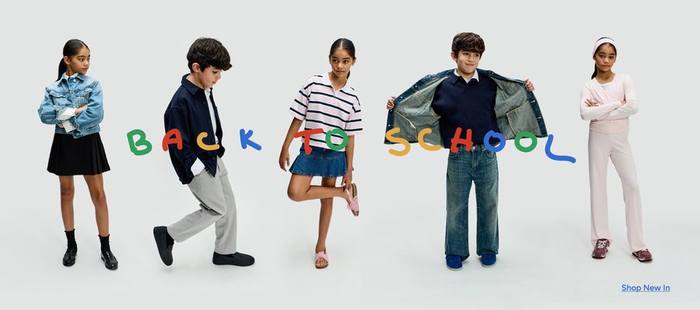
Spotted BTS as an under-leveraged commercial moment, rebuilt the assortment and OTB around it, and took it from 14% to 35% of department revenue. Figures reflect FW24.
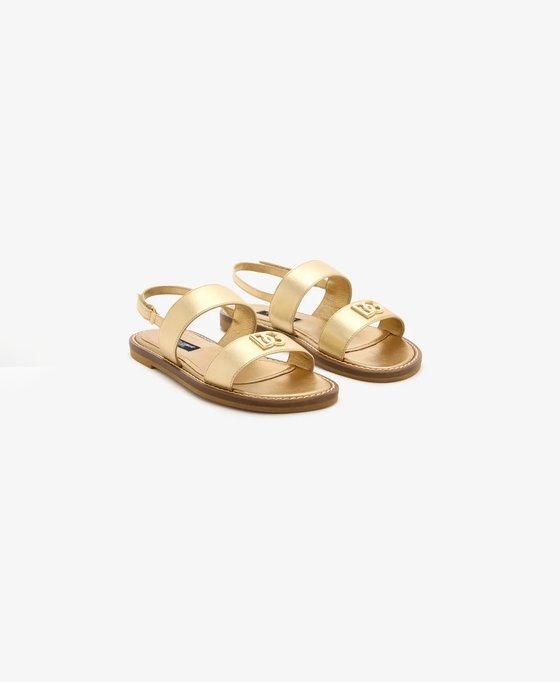
A regional exclusive built around the house's DG-logo hardware, developed to meet GCC demand.
A sales-share vs. stock-share framework I built to flag which brands were quietly over- or under-invested - now part of how performance gets reviewed across the portfolio.
Full Gallery
Now
- updated most seasons, like a good assortment.
On LinkedIn
No dashboard replaces walking the floor 👏
Data tells you what sold. A store visit tells you why - and sometimes, why something didn't. The way product is displayed, how much space a brand commands, what customers are gravitating toward, what's sitting untouched - all of it is information that lives on the floor, not in a report.
As an omni-channel buyer in a dynamic market such as the GCC market, all channels are priority but making a store visit non-negotiable is part of the strategy 💯
What's the most valuable insight you've ever picked up from simply being present on the floor? ✨
I didn't fall into buying by accident. I was drawn to it because it sits at the intersection of two things I love - fashion and strategy.
Every season is a new problem to solve. Which brands belong in the assortment? What does this customer want next? Where is the market heading and are we positioned ahead of it? 🤷♀️
It's creative, commercial and constantly evolving. No two seasons are the same.
If you're considering a career in buying, especially in luxury retail, I'd say this: it will challenge you in ways you don't expect. And that's exactly the point 🙌
What drew you to your career in fashion? ✨
Fashion school teaches you to love the product. The job teaches you everything else.
A few things I've learned on the buying floor that no curriculum covered:
✨ How to read a sell-through report and make a decision under pressure
✨ The art of a vendor negotiation where both sides need to walk away whole
✨ How consumer sentiment on the ground often contradicts what the data shows
✨ That relationships with brands, with teams, with your customer are the actual currency
Buying is a craft. And most of it is learned by doing.
What's the most valuable thing your career has taught you that school didn't? ✨
Open To The Next Buy